
Introduction
The Tragedy of Richard II is deeply immersed in English history and whereas his 16th century audiences would have been quite familiar with Edward III and much of the implied prior history to Richard II, we are much less informed, as such, and as a result Act I stretches our ability to follow along with everything Shakespeare intends we know. Therefore, we will try to fill in the historical context and background intel as we proceed.
Shakespeare wrote eight sequential histories and Richard II is the first of the eight. Richard (1367-1400) was the grandson of King Edward III and the son of Edward the Black Prince. His claim to the throne was strong in 1377. However, his reign was ineffective and his hoard of dukes and advisors pressured him on many issues in a variety of directions so that in the end this ‘poet king’ was in way over his head and became a target for Henry Bolingbroke, who assumed Richard’s crown and then his life. Bolingbroke became King Henry IV but never got over the shock of Richard’s murder. After all, the king had usurped and murdered his way to the throne. Nonetheless, his son, Hal, became King Henry V, an honoured warrior king, who ended all thought of whether he was the rightful heir to his father’s usurped crown. Henry V won France in war and unfortunately died young, leaving his six month old son, Henry VI, as the new monarch. That is when things completely fell apart, as the young boy king was over-run by those representing either the red or the white rose in the War of the Roses between the House of Lancaster and the House of York. By the end of Henry VI’s reign the Yorkist claim is finally realized in King Edward IV, as Edward’d brother, Richard, murdered king Henry VI in the Tower. Edward’s reign is not a long one and Richard becomes King Richard III. Shakespeare tells this entire history from when Richard II assumed the throne in 1377 until Richard III was killed in battle in 1485. The eight plays include Richard II, Henry IV (Part I), Henry IV (Part II), Henry V, Henry VI (Part I), Henry VI (Part II), Henry VI (Part III) and Richard III.
Act I (4 scenes)
Scene i
London. The palace
Enter King Richard II and John of Gaunt
King Richard: “Old John of Gaunt, time honoured Lancaster, has thou brought hither Henry Bolingbroke, thy bold son, here to make good the boisterous late appeal against the Duke of Norfolk, Thomas Mowbray?”
Gaunt: “I have, my liege.”
KIng Richard: “Then call them to our presence. We will hear the accuser and the accused freely speak. High-stomached are they both and full of ire, in rage, as hasty as fire.”
Enter Henry Bolingbroke and Thomas Mowbray
Bolingbroke: “Many years of happy days befall my gracious sovereign, my most loving liege.”
King Richard: “Cousin, what dost thou object against Thomas Mowbray?”
Bolingbroke: “Thomas Mowbray, thou art a traitor and a miscreant.”
Mowbray: “Setting aside his blood’s royalty, I do defy him, and spit at him, call him a slanderous coward and a villain. Most falsely does he lie.”
King Richard: “What doth our cousin lay to Mowbray’s charge?”
Bolingbroke: “Mowbray hath received eight-thousand nobles, the which he has detained for lewd employments. All the treasons for these eighteen years completed and contrived in this land fetch from false Mowbray. Further I say, he did plot the Duke of Gloucester’s death.”
Mowbray: “Bolingbroke, thou liest. His appeal issues from the rancour of a villain, a miscreant and most dangerous traitor.”
King Richard: “Wrath-kindled gentlemen, be ruled by me; let’s purge this choler without letting blood – deep malice makes too deep incision. Forget, forgive; conclude and be agreed. But since we cannot make you friends, be ready, as your lives shall answer it; your swords and lances must arbitrate the swelling difference of your settled hate.”
Analysis
Immediately we are thrown into a long-standing feud between two nobles in Richard’s court. This is a play full of old grudges begun long before the start of this play. Interesting that the first words out of Bolingbroke’s mouth compliment and flatter the king he will topple by Act V. Questions of the death of the Duke of Gloucester plague the court and King Richard will not want this topic investigated due to his complicit role in the Duke’s demise. Hence will both Bolingbroke and Mowbray be banished for their feud.
Act I
Scene ii
London. The Duke of Lancaster’s palace
Enter John of Gaunt with the Duchess of Gloucester
Duchess: “Edward’s seven sons, whereas thyself art one, were as seven vials of his sacred blood, or seven branches springing from one root. But Thomas, my dear lord, my life, my Gloucester, one vial full of Edward’s sacred blood, is cracked, and all the precious liquid spilt; is hacked down by envy’s hand and murder’s bloody axe. What shall I say? To safeguard thine own life the best way is to revenge my Gloucester’s death.”
Gaunt: “God is the quarrel and God’s substitute, his deputy anointed in his sight, hath caused his death. Let heaven revenge, for I may never lift an angry arm against his minister.”
Duchess: “O, sit my husband’s wrongs on Bolingbroke’s spear, that it may enter butcher Mowbray’s breast!”
Gaunt: “Sister, farewell; I must to Coventry.”
Duchess: “Desolate, desolate, will I hence and die.”
Analysis
Yet more background intel from Gaunt, one of King Edward III’s seven sons and King Richard’s uncle. We now know that Richard is very closely associated with Gloucester’s most questionable death. But there is nothing old Gaunt can do about the murder of his brother, as King Richard is God’s minister on earth. This is still the era of divine right kings, a major recurring theme throughout this play.
Act I
Scene iii
Coventry
Enter the Lord Marshal, the Duke of Aumerle, King Richard and Gaunt. When they are all set enters Mowbray.
King Richard: “Demand of yonder champion the cause of his arrival here in arms.”
Marshal: “In God’s name and the King’s, say why thou comes and what is thy quarrel.”
Mowbray: “To defend my loyalty and truth to God and my King against Bolingbroke; to prove him, in defending myself, a traitor to my God, my King and me.”
Enter Bolingbroke
King Richard: “Ask why he comes hither.”
Marshal: “Wherefore come thou hither? What’s thy quarrel?”
Bolingbroke: “To prove that Thomas Mowbray is a traitor, foul and dangerous, to God and heaven, King Richard and to me. Lord marshal, let me kiss my sovereign’s hand, and bow my knee before his majesty.”
Marshal: “Set forward. (a charge is sounded) Stay, the King has thrown his warder down.”
King Richard: “Withdraw with us. For that our kingdom’s earth should not be soiled with that dear blood which it has fostered; and for our eyes do despise the dire aspect of civil wounds ploughed up with neighbour’s sword. Therefore we banish you from our territories. You, cousin, upon pain of life, till twice five summers have enriched our fields, tread the stranger path of banishment.”
Bolingbroke: “Your will be done.”
King Richard: “Mowbray, for thee remains a heavier doom: the dateless limit of thy dear exile. The hopeless words ‘never to return’ breathe against thee, upon pain of life.”
Mowbray: “A heavy sentence, my most sovereign liege. What is thy sentence, then, but speechless death, which robs my tongue from breathing native breath. Then thus I turn me from my country’s light, to dwell in solemn shades of endless night.”
Bolingbroke: “Mowbray, confess thy treasons ere thou fly the realm; Since thou hast far to go, bear not along the clogging burden of a guilty soul.”
Mowbray: “No, Bolingbroke; But what thou art, God, thou and I, do know.”
Exit Mowbray
King Richard: “Uncle, I see thy grieved heart. Thy sad aspect hath from the number of his banished years plucked four away.” (to Bolingbroke) “Six frozen winters spent, return with welcome home from banishment.”
Bolingbroke: “How long a time lies in one little word! Such is the breath of Kings.”
Gaunt: “I thank my liege that in regard of me he shortens four years of my son’s exile; But little vantage shall I reap, for in the six years that he hath to spend, my oil-dried lamp and time-bewasted light shall be extinct with age and endless night.”
King Richard: “Why uncle, thou hast many years to live. Thy son is banished on good advice , whereto thy tongue a party-verdict gave.”
Gaunt: “Things sweet to taste prove in digestion sour. You urged me as a judge; but I would rather you had bid me to argue as a father, as in the sentence my own life is destroyed.” (to Bolingbroke) “Thy grief is but thy absence for a time. What is six winters? They are quickly gone.”
Bolingbroke: “To men in joy; but grief makes one hour ten.”
Gaunt: “Call it a travel that thou takes for pleasure.”
Bolingbroke: “My heart finds it an enforced pilgrimage.”
Gaunt: “All places that the eye of heaven visits are to a wise man ports and happy havens. There is no virtue like necessity. Go, say I sent thee forth to purchase honour, and not the King exiled thee; or suppose devouring pestilence hangs in our air and thou art flying to a fresher clime. Look what thy soul holds dear, imagine it to lie that way thou goes. Suppose the singing birds musicians, the flowers fair ladies, and thy steps no more than a delightful measure or a dance.”
Bolingbroke: “Then, England’s ground, farewell; sweet soul, adieu; Wherever I wander, boast of this I can: though banished, yet a true-born Englishman.”
Analysis
The two combatants have been banished, Gaunt’s son, Bolingbroke, for six years. Gaunt does his best to put a positive spin on the banishment, although he feels its pain immensely. Richard is not clear in his reasoning for stopping the duel or pronouncing either banishment. Again, there are many court secrets at work and Richard has just rid himself of a conflict that might have spread and opened up discussion of Gloucester’s murder. As Bolingbroke leaves the play for a time, let’s note his practical nature compared to King Richard’s more sentimental and poetic characteristic. Richard will become more poetically verbose as he loses his grip on his kingdom, mostly due to his own ineptness.
Act I
Scene iv
London. The court
Enter King Richard, with Begot, Bushy, Green and Aumerle
King Richard: (to Aumerle) “What said our cousin, Bolingbroke, when you parted with him?”
Aumerle: “Farewell”
King Richard: “We observed his courtship to the common people; how he did seem to dive into their hearts with humble and familiar courtesy, wooing poor craftsmen with the craft of smiles and patient underbracing of his fortune with ‘thanks, my countrymen, my loving friends’, as were our England, in reverse, his.”
Green: “Well, he is gone, and with him go these thoughts! Now for the rebels in Ireland.”
King Richard: “We will ourselves in person to this war. Our coffers have grown somewhat light, and we are forced to farm our royal realm; this revenue thereof shall furnish us for our affairs in hand.”
Bushy: “Old John of Gaunt is grievous sick, my lord; suddenly taken.”
King Richard: “Now put it, God, in the physician’s mind to help him to his grave immediately! The lining of his coffers shall make coats to deck our soldiers for these Irish wars. Come, gentlemen, let’s go visit him. Pray God we may make haste, and come too late.”
Analysis
We have heard already that King Richard surrounds himself with inept flatterers, who increasingly run the kingdom alongside Richard. They would be Begot, Bushy and Green. Here they discuss the banishment of Bolingbroke and we learn that the King is very concerned how Bolingbroke relates to the commoners, with reverent bows and comforting familiarity, in much the same way that a king might. Green turns the focus back to the Irish wars, which Richard will attend and finance on the backs of his people in England. When Bushy tells the King that old Gaunt is ‘grievous sick’ King Richard is harsh and crude in his reaction. He is seemingly doing everything wrong here, disrespecting his famous and much respected uncle and leaving England to fight an expensive war in Ireland just as the country is going broke, by putting the financial burden on the backs of his subjects.
Act II (4 scenes)
Scene i
London. Ely House
Enter John of Gaunt, ill, with the Duke of York
Gaunt: “Will the King come, that I may breathe my last in wholesome counsel to his unsaid youth?”
York: “Vex not yourself, for all in vain comes counsel to his ear.”
Gaunt: “But they say the tongues of dying men enforce attention like deep harmony. Where words are scarce, they are seldom spent in vain; for they breathe truth that breathe their words in pain. More are men’s ends marked than their lives before. Though Richard my life’s counsel would not hear, my death’s sad tale may yet undeaf his ear.”
York: “No; it is stopped with other flattering sounds, to whose venom sound the open ear of youth doth always listen.”
Gaunt: “Methinks I am a prophet new inspired, and thus expiring do foretell of him: his rash fierce blaze of riot cannot last, for violent fires soon burn out themselves; small showers last long, but sudden storms are short; with eager feeding food doth choke the feeder. This royal throne of kings, this sceptred isle, this earth of majesty, this seat of Mars, this other-Eden, Demi-paradise, this happy breed of men, this little world, this precious stone set in the silver sea, this blessed plot, this earth, this realm, this England, this nurse, this teeming womb of royal kings, renowned for their deeds, this land of such dear souls, this dear dear land, dear for her reputation through the world, is now lease out – I die pronouncing it – England is now bound in with shame; that England that was wont to conquer others, has made a shameful conquest of itself. Ah, would the scandal vanish with my life, how happy then were my ensuing death!”
Enter King Richard, Queen, Ross, Bushy and Willoughby
York: “The King is come; deal mildly with his youth, for young hot colts being raged do rage the more.“
King Richard: “What comfort, man? How is it with aged Gaunt?“
Gaunt: “O, how that name befits my composition. Old Gaunt, indeed; and Gaunt in being old. For sleeping England long time have I watched; watching breeds leanness, and leanness is all gaunt. Gaunt am I for the grave.”
King Richard: “Can sick men play so nicely with their names?“
Gaunt: “No, misery makes sport to mock itself. Since thou dost seek to kill my name in me, I mock my name, great king, to flatter thee.“
King Richard: “Should dying men flatter with those that live?“
Gaunt: “No, no; men living flatter those that die.“
King Richard: “Thou, now a-dying, sayest thou flatters me.”
Gaunt: “O, no! Thou dies, though I the sicker be.“
King Richard: “I am in health and see thee ill.“
Gaunt: “Now he that made me knows I see thee ill. Thy death-bed is now lesser than thy land wherein thou lies in reputation sick; and thou too careless a patient as thou are, commits thy anointed body to the cure of those physicians that first wounded thee. A thousand flatterers sit within thy crown. O, had thy grandsire with a prophet’s eye seen how his son’s son should destroy his sons, from forth thy reach he would have laid thy shame, deposing thee before thou were possessed, which art possessed now to depose thyself. Landlord of England art thou now, not King, and thou –
King Richard: “A lunatic, dim-witted fool, were thou not brother to great Edward’s son, this tongue that runs so roundly in thy head should run thy head from thy unreverent shoulders.“
Gaunt: “O, spare me not, my brother Edward’s son, for that I was his father Edward’s son; live in thy shame, but die not shame with thee! These words hereafter thy tormentors be! Convey me to my bed, then to my grave.“
Exit Gaunt with attendants
York: “I do beseech your Majesty impute his words to wayward sickliness and age in him. He loves you, on my life, and holds you dear as Henry Bolingbroke, were he here.”
King Richard: “Right, you say true: as Bolingbroke’s love, so his; as theirs, so one; and all be as it is.”
Enter Northumberland
Northumberland: “My liege, old Gaunt commends him to your majesty. His tongue is now a stringless instrument.”
King Richard: “So much for that. Now for our Irish wars. Towards our assistance, we do seize the plates, coins and revenues whereof our uncle Gaunt did stand possessed. Why uncle, what’s the matter?“
York: “Pardon me, if you please; if not, I please not to be pardoned: seek you to seize into your hands the royalties and rights of banished Bolingbroke? Doth not Bolingbroke live? Did not Gaunt deserve to have an heir? Is not his heir a well-deserving son? God forbid I say, if you do wrongfully seize Bolingbroke’s rights, you pluck a thousand dangers on your head, you lose a thousand well-disposed hearts, and prick my tender patience to those thoughts which honour and allegiance cannot think.“
King Richard: “Think what you will, we seize into our hands his goods, his money and his lands.”
York: “My liege, farewell’. What will ensue, none can tell.”
Exit York
King Richard: “Bushy, tomorrow we will for Ireland, and we create, in absence of ourselves, our uncle York as Governor of England.”
Exit all but Northumberland, Ross and Willoughby
Northumberland: “Well, lords, old Gaunt of Lancaster is dead.”
Ross: “And living too; for now his son, Bolingbroke, is Duke.”
Northumberland: “The King is not himself, but basely led by flatterers.”
Ross: “The commons has he piled with grievous taxes, and quite lost their hearts; the nobles has he fined for ancient quarrels, and quite lost their hearts.”
Willoughby: “And daily new exactions are devised. The King has grown bankrupt, like a broken man.”
Ross: “He has not money for these Irish wars, but by the robbing of the banished Duke.”
Northumberland: “His noble kinsman – most degenerate king!”
Ross: “We see the very wreck that we must suffer.”
Northumberland: “I have from Brittany received intelligence that, Henry Bolingbroke, and many others well furnished with eight tall ships and three thousand men of war, are making hither with all due expedience, and shortly mean to touch our northern shore. Then we shall shake off our slavish yoke, redeem the blemished crown, and make high majesty look like itself. Away with me to Ravenspurgh; but if you fear to do so, stay and be secret, and myself will go.”
Ross: “To horse, to horse!”
Willoughby: “I will be the first there!”
Analysis
Often, dignified elders have their say before they die and in one of the finest scenes Shakespeare has written, old Gaunt, on his very death-bed reflects heroically to Northumberland on ‘this happy breed of men… this England’, and then rips King Richard for succumbing to his flatterers and behaving more like ‘the landlord of England’ than king. ‘Let these words hereafter thy tormentors be.’ Richard’s skin is anything but thick and he attacks his uncle right back, word for word: ‘Lunatic, lean witted fool.’ We must remember that Bolingbroke is Old Gaunt’s son and Richard trusts Bolingbroke no more than his storied father.
This was toward the end of the era of Divine Right Kings, who could never be challenged or rightfully criticized, since they rule by God’s will. We will see throughout the play that this question becomes paramount when Richard claims his “Rule by Divine Right” status all the while his incompetence increasingly leads the country to ruin.
Indeed, Richard has squandered the wealth of England on petty indulgences, such as luxuries from all across the European continent, for he and his dubious advisors / friends in his court.
A word about the language in Richard II. There is very little prose in this play. Only a few of Shakespeare’s plays have so little prose. Instead there is either blank verse, which is to say non-rhyming verse written in iambic pentameter, or rhyming couplets. The rhyming couplets are used in the most important and impactful passages, such as the upcoming magnificent monologues by Richard at his most poetic. Bolingbroke only speaks in rhyming couplets once he is crowned king. Blank verse means non-rhyming and Iambic pentameter is a stressed syllable followed by a non-stressed syllable (iambic) repeated 5 times in a 10 syllable line (pentameter).
Its ok if this is not perfectly clear to you. One way to look at it is either it rhymes or it doesn’t and if it doesn’t then it is a blank verse and if it does it is a rhyming couplet. Since there is no prose virtually the entire play is in Iambic Pentameter.
Act two (similar to Acts 3-4) typically advances the plot begun in Act I. In fact, Act I forecasted most of the plot and themes of the remaining play. Namely, that Henry Bolingbroke is decisive and King Richard is all too glad to see him go, that Old Gaunt (the son of the great Edward III, the King’s uncle and Bolingbroke’s father) calls the King out and exposes him as ‘the ruin of the land’, that the Duchess of Gloucester seeks revenge for King Richard’s role in her husband’s murder, that King Richard has bankrupted the nation with his luxurious spending on his flattering court just as a war is required in Ireland and that he will finance this war on the backs of peasants and nobility alike, but in particular by grasping the considerable estate and holdings of Old Gaunt, even though his heir, Henry Bolingbroke, is the rightful legal claimant to his father’s fortune.
Hence begins the great departure of previously loyal lords from Richard. They have seen and heard enough. Lord Ross: “The commons hath he pill’d with grievous taxes and quite lost their hearts; the nobles he has fined and quite lost their hearts… He hath not money for these Irish wars, but by the robbing of the banished Duke… we see the very wreck that we must suffer and unavoided is the danger now.” Lord Willoughby: “The King has grown bankrupt, like a broken man.” And finally, Lord Northumberland: “Reproach and dissolution hang over him. I have received intelligence that Henry Bolingbroke, well furnished, with 3,000 men of war, is making hither with all due expedience. Then shall we shake off our slavish yoke, redeem… the blemished crown and make high majesty look like itself.” A busy first scene to Act II, to be sure! Richard’s descent is in fee fall, although he realizes it not… yet.
Act II
Scene ii
Windsor Castle
Enter Queen Isabel, Bushy and Bagot
Bushy: “Madam, your Majesty is too much sad.”
Queen: “Methinks some unborn sorrow, ripe in fortune’s womb, is coming towards me.”
Bushy: “Each substance of a grief has twenty shadows, which shows like grief itself, but is not so; for sorrow’s eye, glazed with blinding tears, divides one thing entire to many objects, like perspectives which, rightly gazed upon, show nothing but confusion. Weep not, for more is not seen, or if it be, tis with false sorrow’s eye, which for things true weeps things imaginary.“
Queen: “However it be, I cannot but be sad; so heavy sad. But what it is that is not yet known and I cannot name.”
Enter Green
Green: “I hope the King is not yet shipped for Ireland. The banished Bolingbroke is safe arrived at Ravenspurgh.”
Queen: “God in heaven forbid!”
Green: “And what is worse, the Lord Northumberland, his young son Harry Percy, the Lords of Ross, Beaumont and Willoughby, with their powerful friends, are fled to him.”
Queen: “So Green, thou art the midwife to my woe, and Bolingbroke my sorrow’s dismal heir.”
Enter York
Queen: “Uncle, for God’s sake, speak comfortable words.”
York: “Should I do so, I should belie my thoughts. Comfort’s in heaven and we are on the earth, where nothing lives but crosses, cares and grief. Your husband, he is gone to save far off, while others come to make him lose at home. The nobles they are fled, the commons they are cold, and will, I fear, revolt on Bolingbroke’s side. Get thee to my sister Gloucester.”
Servant: “My lord, I had forgot to tell your lordship that the Duchess is dead.”
York: “What a tide of woes comes rushing on this woeful land at once. How shall we do for money for these wars? Both King Richard and Bolingbroke are my kinsmen. The one is my sovereign, whom both my oath and duty bids defend; the other again is my kinsman, whom the King hath wronged, and whom conscience and my kinsman bids to right.”
Exit York and the Queen
Green: “Our nearness to the King in love is near the hate of those who love not the King.”
Bagot: “And that is the wavering commons; for their love lies in their purses; and whoso empties them, by so much fills their hearts with deadly hate.”
Bushy: “Wherein the King stands generally condemned.”
Analysis
Women’s intuition is liberally sprinkled across Shakespeare’s plays and here the Queen, like so many others, senses the deterioration of everything. Queen Isabel has a foreboding that matches that of the recently deceased Duchess of Gloucester and old Gaunt. Clearly, a precipitous fall is pretty much immediately at hand. York gets it, as do the King’s flatterers themselves: Bushy, Green and Bagot. All but Richard.
Act II
Scene iii
Gloucestershire
Enter Bolingbroke and Northumberland with their forces
Bolingbroke: “Who comes here?”
Northumberland: “It is my son, young Harry Percy.”
Percy: “My gracious Lord, I tender you my service, such as it is, being tender, raw and young.”
Northumberland: “What keeps good old York there with his men of war?”
Percy: “There stands the castle, manned with three-hundred men; and in it are the lords of York, Berkeley and Seymour – none more of name and noble estimate.”
Berkeley: “My message is to you, Bolingbroke. From the Duke of York, to know what pricks you on to take advantage of the absent time, and fright our native peace with self-borne arms.”
Bolingbroke: “Here comes his Grace in person. My noble uncle!” (he kneels)
York: “Show me thy humble heart, and not thy knee, whose duty is deceivable and false.”
Bolingbroke: “My gracious uncle! -“
York: “Tut, tut! Grace me no grace, nor uncle me no uncle. I am no traitor’s uncle; and that word ‘grace’ in an ungracious mouth is but profane. Why have those banished and forbidden legs dared once to touch a dust of England’s ground?”
Bolingbroke: “My gracious uncle, let me know my fault.”
York: “In gross rebellion and detested treason. Thou art a banished man, and here art come before the expiration of thy time, in braving arms against thy sovereign.”
Bolingbroke: “Will you permit that I shall stand condemned a wandering vagabond; my rights and royalties plucked from my arms, perforce, and given away to upstart unthrifts? My father’s goods are all sold; what would you have me do? I lay my claim to my inheritance.”
Willoughby: “Base men by his endowment are made great.”
York: “My lords of England, let me tell you this: I have had feelings of my cousin’s wrongs, and laboured all I could to do him right. But in braving arms – it may not be; and you that do abet him in this kind cherish rebellion, and are rebels all.”
Northumberland: “The noble duke has sworn his coming is but for his own; and for the right of that we all have wrongly sworn to give him aid.”
York: “Well, well, I must needs confess, I do remain as neuter. So, fare you well.”
Bolingbroke: “But we must win your Grace to go with us to Bristow Castle, which they say is held by Bushy, Bagot and their complies, the caterpillars of the commonwealth, which I have sworn to weed and pluck away.”
York: “It may be that I will go with you; but yet I’ll pause, for I am loath to break our country’s laws. To me welcome you are. Things past redress are now with me past care.“
Analysis
Bolingbroke is on the move across England, gathering increasing support. Young Harry Percy, Northumberland’s son, devotes himself to Bolingbroke’s cause but will wage war against him in the next two plays when Bolingbroke is King Henry IV. But the focus in this scene is honourable York, who is highly critical of Bolingbroke’s actions but by the scene’s end is willing to proclaim himself neutral. The issue of what is right and wrong is well depicted by Shakespeare in this scene between Bolingbroke and York. Does Bolingbroke have a right to violate his banishment? Does King Richard have the right to confiscate Bolingbroke’s inheritance for his Irish wars? Remember, that King Richard has been away in Ireland while this apparent rebellion spreads. Act III will witness the return of King Richard to England. It will be a different king and a different country than we have hither to known.
Act II
Scene iv
A camp in Wales
Enter the Earl of Salisbury and a Welsh captain.
Captain: “My lord of Salisbury, we have stayed ten days and hardly kept our countrymen together, and yet we hear no tidings from the King. Therefore, we will disperse ourselves. Farewell. Tis thought the King is dead; we will not stay. Lean looking prophets whisper fearful change; rich men look sad and ruffians dance and leap – the one in fear to lose what they enjoy, the other to enjoy by rage and war. These signs forerun the death or fall of kings. Our countrymen are gone and fled, as well assured Richard their King is dead.”
Exit captain
Salisbury: “Ah, Richard, with the eyes of heavy mind, I see thy glory like a shooting star fall to the base earth from the firmament! The sun sets weeping in the lowly west, witnessing stops to come, woe and unrest; thy friends are fled, to wait upon thy foes.“
Analysis
The Welch were to receive and escort Richard back to England from his Irish wars and yet he has has not shown up and they assume he is dead. Salisbury is just the latest to understand that Richard is in a heap of trouble. Act III is next and here comes a thoroughly transformed Richard. We had said that this is the play about the woeful poet king as his fate closes in around him. Well, get ready. The sad, sad king will begin his brilliant and precipitous fall in episodic monologues in Act III. The stage is set. The rest of the play is essentially the fulfilment of Old Gaunt’s prophesy. Having brazenly stolen a lord’s possessions, many lords abandon Richard before he can seize the possessions of them all, and they flock to Bolingbroke. We can see clear through to the end of the play in just this second act. Even the flatterers are running scared. But this ‘torrent of bad news’ is only the beginning. The great fall of a king has been set in motion. Even the loyal York declares himself neutral and Richard’s Welsh army has disappeared.
Shakespeare makes his case for both sides, with a Divine Right King facing a justifiably rebellious country. He also makes it clear in this act that much is about to change for Richard and for England, especially after loyal York relents to be merely ‘neutral’. The set up is over. The downfall is all that remains, but it will be agonizingly slow and poetically masterful.
Act III (4 scenes)
Scene i
Bolingbroke’s camp at Bristol
Enter Bolingbroke and York, with Bushy and Green as prisoners.
Bolingbroke: “Bring forth these men. Bushy and Green, I will not vex your souls – since presently your souls must part your bodies – yet, to wash your blood from off my hands, I will unfold some causes of your deaths: you have misled a prince, a royal king. You have made divorce between his queen and him, and stained the beauty of a fair queen’s cheeks by your foul wrongs. This and much more, much more than twice all this condemns you to the death. My Lord Northumberland, see them dispatched. Uncle York, you say the Queen is at your house. For God’s sake, fairly let her be entreated. Tell her I send to her my kind commends.”
York: “I have dispatched letters of your love to her at large.”
Analysis
It is somewhat difficult to read Bolingbroke’s intentions. He is now roaming the English countryside, gaining support wherever he goes. Does he merely intend to secure his stolen inheritance? Or is he after the crown itself? He has Bushy and Green executed, but he claims this is for having misled King Richard, who he describes as a happy gentleman. He then has York issue a letter to the Queen, assuring her of his love. Hmmm. The first two acts really set us up for the fall of Richard and in Act III we finally meet with the poetic collapse of a king. Notice in Act III how Bolingbroke has only returned to have his inheritance restored but winds up with the crown. It is Richard’s demise as much as Bolingbroke’s ascendency that sees the crown dance between them. In fact, it is Richard’s instability that sends most of the nation’s support to Bolingbroke, which then recalibrates Bolingbroke’s options and aspirations. Act III is a terrific study on the right to assert, usurp, and maintain power.
Act III
Scene ii
The coast of Wales
Enter King Richard, the Bishop of Carlisle, Aumerle and soldiers
King Richard: “Dear earth, I do salute thee with my hand, though rebels wound thee with their horses hoofs. So weeping-smiling greet I thee, my earth; throw death upon thy sovereign’s enemies.”
Carlisle: “Fear not, my lord; that power that made you king hath power to keep you king in spite of all.”
Aumerle: “Bolingbroke grows strong and great in substance and in power.”
King Richard: “So when the thief, this traitor, Bolingbroke shall see us rising in our throne, his treasons will sit blushing in his face. Not all the water in the rough rude sea can wash the balm off from an anointed king; the breath of worldly men cannot depose the deputy elected by the Lord. For every man that Bolingbroke hath, God for his Richard hath in heavenly pay a glorious angel; for heaven still guards the right.”
Enter Salisbury
Salisbury: “O, call back yesterday, and thou shalt have twelve-thousand fighting men! Today, all the Welshmen, hearing thou were dead, are gone to Bolingbroke.”
Aumerle: “Comfort, my liege; remember who you are.“
King Richard: “I had forgot myself; am I not King? Is not the King’s name twenty-thousand names? Arm, arm, my name! A puny subject strikes at thy great glory.“
Enter Scroop
Scroop: “Glad am I that your Highness is so armed to bear the tidings of calamity. Bolingbroke covers your fearful land with hard bright steel and hearts harder than steel. Against thy majesty, boys strive to speak big in stiff unwieldy arms against thy crown. Both young and old rebel and all goes worse than I have power to tell.”
King Richard: “Of comfort let no man speak. Let’s talk of graves, of worms and epitaphs; make dust our paper, and with rainy eyes write sorrow on the bosom of the earth. Let’s choose executors and talk of wills; and yet not so – for what can we bequeath, save our deposed bodies to the ground? Our land, our lives and all, are Bolingbroke’s, and nothing can we call our own but death and that small model of the barren earth which serves as paste and cover to our bones. For God’s sake, let us sit upon the ground and tell sad stories of the death of kings; how some have been deposed, some slain in war, some haunted by the ghosts they have deposed, some poisoned by their wives, some sleeping killed, all murdered – for within the hollow crown that rounds the mortal temples of a king keeps death his court; and there the antic sits, scoffing his state and grinning at his pomp; allowing him a breath, a little scene to monarchize, be feared and kill with looks, infusing him with self and vain conceit, as if this flesh which walls about our life were brass impregnable; and humoured thus, comes at the last, and with a little pin bores through his castle wall, and farewell king! Throw away respect and ceremonious duty; for you have best mistook me all this while. I live with bread like you, feel want, taste grief, need friends; subjected thus, how can you say to me that I am a king?“
Carlisle: “My lord, wise men never sit and wail their woes, but presently prevent the ways to wail.“
King Richard: “Thou chid’st me well. Proud Bolingbroke, I come to change blows with thee for our day of doom. Say, Scroop, where lies our uncle with his power?”
Scroop: “My tongue hath but a heavier tale to tell: I play the torturer, to lengthen out the worst that must be spoken: your uncle York is joined with Bolingbroke.”
King Richard: “Thou hast said enough. What comfort have we now? By heaven, I’ll hate thee everlastingly that bids me be of comfort any more. Let no man speak again to alter this, for counsel is but vain. Discharge my followers; let them hence away, from Richard’s night to Bolingbroke’s fair day.”
Analysis
This is one of the most important scenes in the play, as Richard’s despair gives birth to the famous tragic poet king of the play. He returns to a transformed England, one that has seemingly already abandoned him for Bolingbroke. After one heap of bad news after another Richard descends into a melancholic and brilliant poetic series of reflections, while Rome burns. It will be this peculiar melancholy that vaults Bolingbroke’s ambition, as much as Richard’s various incompetences. He is certainly the architect of his own demise and still has a long fall ahead.
Act III
Scene iii
Wales, before Flint Castle
Enter Bolingbroke, York, Northumberland, Percy and forces
Percy: “The castle is manned, my lord. King Richard lies within the limits of yonder lime and stone.”
Bolingbroke: (to Northumberland) “Go to that ancient castle and thus deliver: Henry Bolingbroke on both his knees doth kiss King Richard’s hand and sends allegiance and even at his feet to lay my arms and power, provided that my banishment is repealed and lands restored again be freely granted. If not, I’ll use the advantage of my power and lay the summer’s dust with showers of blood rained from the wounds of slaughtered Englishmen. Go signify as much.”
Enter on the castle walls King Richard
Bolingbroke: “See, King Richard doth himself appear.”
King Richard: (to Northumberland) “We thought ourselves thy lawful king. If we be not, show us the hand of God that hath dismissed us from our stewardship. My master – God omnipotent – is mustering in his clouds on our behalf armies of pestilence; and they shall strike your children yet unborn and unbent. Tell Bolingbroke that every stride he makes upon my land is dangerous treason.”
Northumberland: “Henry Bolingbroke doth humbly kiss thy hand. His coming hither hath no further scope than for his lineal royalties and to beg enfranchisement immediately on his knees.”
King Richard: “His noble cousin is right welcome hither; and all the number of his fair demands shall be accomplished without contradiction. O, that I were as great as my grief. What must the King do now? Must he submit? The King shall do it. Must he be deposed? The King shall be contented. Must he lose the name of king? In God’s name, let it go. I’ll give my jewels for a set of beads, my gorgeous palace for a hermitage, my sceptre for a walking staff, my subjects for a pair of carved saints, and my large kingdom for a little grave, a little little grave, an obscure grave. Or I’ll be buried in the king’s highway, where subjects’ feet may hourly trample on their sovereign’s head, for on my heart they tread now whilst I live, and buried once, why not upon my head? What says King Bolingbroke? Will his majesty give Richard leave to live till Richard die?”
Northumberland: “My lord, to speak with you, may it please you to come down?”
King Richard: “Down down I come. Down court, down king!”
Bolingbroke: “What says his majesty?”
Northumberland: “Sorrow and grief of heart make him speak like a frantic man; yet he is come.”
Enter King Richard
Bolingbroke: “Show fair duty to his Majesty.” (He kneels down) “My gracious lord, I come but for my own.”
King Richard: “Your own is yours, and I am yours, and all. What you will have, I’ll give, and willingly too; for do we must what force will have us do.”
Bolingbroke: “Yea, my good lord.”
King Richard: “Then I must not say no.”
Analysis
A most unstable Richard dominates Act III, scene iii, as he flips back and forth between defiance and despair. This is a curious scene, to be sure, in which Bolingbroke presents himself as merely demanding his proper inheritance from his father, while King Richard seems suddenly willing to give up everything, including his crown, to Bolingbroke. As we have stated, Bolingbroke will be king soon enough, but if right here King Richard would simply say that Bolingbroke may have his inheritance restored and his banishment repealed then Richard most likely remains king. Why does he so suddenly respond to Bolingbroke’s assurance of his limited intentions with questioning if he must be deposed and then going off about giving up everything. Even after that sad little speech Bolingbroke again assures King Richard that he but comes for his own. Richard’s response is that ‘your own is yours and I am yours’. Does his increasing melancholy merely reduce him to such extreme defeatism? For the remainder of the play Richard will remain of two minds: bitter that he must surrender his crown but willingly doing so with tragic poetic genius. The problem for Bolingbroke is that, while he has massive support across the country to supplant incompetent Richard as king, it is still treasonously unacceptable to de-throne a legitimate monarch, however unpopular. But each new pitiful speech of Richard’s suggests he is no longer fit to rule. What must Bolingbroke be thinking?
Act III
Scene iv
The Duke of York’s garden
Enter the Queen and her lady
Queen: “What sport shall we devise here in this garden to drive away the heavy thought of care?”
Lady; “Madam, we’ll play at bowls.”
Queen: “‘Twill make me think the world is full of rubs and that my fortune runs against the bias.”
Lady: “Madam, we’ll dance.”
Queen: “My legs can keep no measure in delight; therefore, no dancing.”
Lady: “Madam, we’ll tell tales.“
Queen: “Of sorrow or of joy?“
Lady: “Of either, madam.“
Queen: “Of neither, girl. For if of joy, being altogether wanting, it doth remember me the more of sorrow. Or if of grief, being altogether had, it adds more sorrow to my want of joy.“
Lady: “I’ll sing.”
Queen: “Tis well that thou has cause. But thou should please me better would thou weep.”
Lady: “I could weep, Madam, would it do you good.”
Queen: “And I could sing, would weeping do me good, and never borrow any tear of thee.”
Enter gardener and servant
Queen: “Here come the gardeners. Let’s step into the shadow of these trees. They will talk of state.”
Gardener: “Bolingbroke has seized the wasteful king. O, what pity it is that he had not so trimmed and dressed his land as we this garden. Superfluous branches we lop away, that bearing boughs may live; Had he done so, himself had born the crown. Depressed he already is and deposed no doubt he will be.”
Queen: “I am pressed to death through want of speaking.” (comes forward) “How dare thy harsh rude tongue sound this unpleasing news? Why doth thou say that Richard is deposed?”
Gardener: “Pardon me, madam; little joy have I to breathe this news; yet what I say is true. King Richard is in the mighty hold of Bolingbroke. Their fortunes are both weighed. In your lord’s scale is nothing but himself, but in the balance of Bolingbroke, besides himself, are all the English peers, and with those odds he weighs King Richard down. I speak no more than everyone doth know.”
Queen: “Am I the last to know it? What, was I born to this, that my sad look should grace the triumph of great Bolingbroke?”
Gardener: “Poor Queen.”
Analysis
The Queen is equally as despondent as the King. To hear such commoners as a gardener and his servant acknowledging King Richard’s apparent downfall and Bolingbroke’s ascendency is more than she can bear. Commoners in Shakespeare plays are often very well aware of the political realities of the kingdom. Act IV is up next and it is quite short and yet by its end we will have a new king. Richard’s divided and tortured voice will yet rail throughout the two remaining acts. The great question of the play is now front and centre for everyone: does Bolingbroke have a right to take the crown from incompetent Richard? Or will he ever reign in safety or in peace if he chooses to do so?
Act IV (1 scene)
Scene i
Westminster Hall
Enter Bolingbroke, Aumerle, Fitzwater, Bagot, Percy, Surrey, Carlisle, Northumberland, the Abbot of Westminster and York.
York: “Great Duke, I come to see thee from plume-plucked Richard, who with willing soul adopts thee heir.”
Bolingbroke: “In God’s name, I’ll ascend the royal throne.”
Carlisle: “God forbid! Would God that any in this noble presence were enough noble to be upright judge of noble Richard! What subject can give sentence on his king? And who sits here who is not Richard’s subject? My Lord Bolingbroke is a foul traitor, and if you crown him, let me prophesy – the blood of English shall manure the ground, and future ages will groan for this foul act; tumultuous wars shall kin with kin and kind with kind confound; disorder, horror, fear and mutiny shall here inhabit, or if you raise this house against this house, it will the woefullest division prove that ever fell upon this cursed earth. Prevent it, resist it, let it not be so.“
Northumberland: “Well have you argued, sir, and for your pains, of capital treason we arrest you here.”
Bolingbroke: “Fetch hither Richard, that in common view he may surrender; so we shall proceed without suspicion.”
Re-enter York with King Richard
King Richard: “Alack, why am I sent for to a king before I have shook off the regal thoughts wherewith I reigned? I hardly yet have learned to insinuate, flatter, bow, and bend my knee. Give sorrow leave awhile to tutor me to this submission. These men, were they not mine? Did they not sometimes cry ‘All hail’ to me? So Judas did to Christ; but he, in twelve, found truth in all but one; I, in twelve thousand, none. God save the King! Will no man say amen? Well then, amen. God save the King, although I not be he; and yet, amen, if heaven do think him me. To do what service am I sent for hither?”
York: “To do that office of thine own good will, which tired majesty did make thee offer – the resignation of thy state and crown to Henry Bolingbroke.”
King Richard: “Give me the crown. Here, cousin, seize the crown. Here, cousin, on this side my hand, and on that side thine.“
Bolingbroke: “I thought you had been willing to resign.“
King Richard: “My crown I am; but still my griefs are mine. You may my glories and state depose, but not my griefs; still am I king of those.“
Bolingbroke: “Part of your cares you give me with your crown.“
King Richard: “Your cares set up do not pluck my cares down. My care is loss of care, by new care won. The cares I give I have, though given away; they tend the crown, yet still with me they stay.“
Bolingbroke: “Are you contented to resign the crown?“
King Richard: “Ay, no, no, ay; for I must nothing be; therefore no, no, for I resign to thee. Now mark me how I will undo myself; I give this heavy weight from off my head, and this unwieldy sceptre from my hand, the pride of kingly sway from out my heart; With mine own tears I wash away my balm, with mine own hands I give away my crown, with mine own tongue deny my sacred state, with mine own breath release all duteous oaths; all pomp and majesty I do forswear; my acts, decrees, and statutes I deny. God pardon all oaths that are broke to me! God keep all vows unbroken are made to thee! Long may thou live in Richard’s seat to sit, and soon lie Richard in an open pit. God save King Henry, unkinged Richard says. What more remains?“
Northumberland: “No more; but that you read these accusations, and these grievous crimes committed by your person and your followers against the state; that by confessing them, the souls of men may deem that you are worthily deposed.“
King Richard: “Must I do so? Gentle Northumberland, if thy offences were upon record, would it not shame thee, to read a lecture of them? If thou would, there should thou find one heinous article, containing the disposing of a king, marked with a blot, damned in the book of heaven. Nay, all of you that stand and look upon me while that my wretchedness doth bait myself, though some of you, with Pilate, wash your hands, showing an outward pity – yet you Pilates have here delivered me to my sour cross, and water cannot wash away your sin.“
Northumberland: “My lord, dispatch; read over these articles.”
King Richard: “Mine eyes are full of tears; I cannot see. But they can see a sort of traitors here. Nay, if I turn mine eyes upon myself, I find myself a traitor with the rest; for I have given here my soul’s consent to undeck the pompous body of a king; made glory base and sovereignty a slave, proud majesty a subject, state a peasant.“
Northumberland: “My Lord –“
King Richard: “No Lord of thine, thou haught insulting man. Nor no man’s lord; I have no name, no title – but tis usurped. I know not now what name to call myself! If my word be sterling yet in England, let it command a mirror hither straight.“
Bolingbroke: “Go some of you and fetch a looking glass.”
Exit an attendant
Northumberland: Read over these papers, while the glass doth come.”
King Richard: “Fiend, thou torments me ere I come to hell.”
Bolingbroke: “Urge it no more, my Lord Northumberland.”
Northumberland: “The commons will not, then, be satisfied.”
King Richard: “They shall be satisfied. I’ll read enough. When I do see the very book indeed where all my sins are written, and that’s my life.”
Re-enter attendant with mirror.
King Richard: “Give me that glass, and therein will I read. No deeper wrinkles yet? Hath sorrow struck so many blows upon this face of mine and made no deeper wounds? O flattering glass. Like to my followers in prosperity, thou dost beguile me! Was this the face that everyday under his household roof did keep ten thousand men? Is this the face which was at last out-faced by Bolingbroke?“
King Richard dashes the glass against the ground
King Richard: “For there it is, cracked in a hundred slivers. Mark, silent king, the moral of this sport – how soon my sorrow hath destroyed my face.“
Bolingbroke: “The shadow of your sorrow hath destroyed the shadow of your face.”
King Richard: “Say that again. The shadow of my sorrow? Ha! Let’s see. ‘Tis very true: my grief lies all within; and these external manner of laments are merely shadows to the unseen grief that swells with silence in the tortured soul. There lies the substance; and I thank thee, king, for thy great bounty, thy not only gives me cause to wail, but teaches me the way to lament the cause. I’ll beg one boon, and then be gone and trouble you no more. Shall I obtain it?“
Bolingbroke: “Name it, dear cousin.“
King Richard: “And shall I have?”
Bolingbroke: “You shall.”
King Richard: “Then give me leave to go.”
Bolingbroke: “Whither?“
King Richard: “Whither you will.“
Bolingbroke: “Go, some of you convey him to the Tower.“
King Richard: “Conveyers are you all, that rise thus nimbly by a true king’s fall.“
Exit King Richard under guard
Bolingbroke: “On Wednesday next we solemnly set down our coronation.“
Exit all but the Abbot of Winchester, the Bishop of Carlisle and Aumerle
Abbot: “A woeful pageant have we here beheld.”
Carlisle: “The woe is to come; the children yet unborn shall feel this day as sharp to them as thorn.“
Aumerle: “You holy clergymen, is there no plot to rid the realm of this pernicious blot?”
Abbot: “I will lay a plot shall show us all a merry day.”
Analysis
This pivotal scene and act must be studied closely, for it depicts the fall of an anointed king. Its repercussions will last a very long time across England, as Carlisle suggests in his prophecy: ‘the blood of Englishmen shall manure the ground… tumultuous wars… disorder, horror, fear and mutiny shall here inhabit… Prevent it, resist it, let it not be so.” Once again a cursed prophecy, but the prophecies which were earlier intended for Richard are now directed toward Bolingbroke. A king should never be deposed in this manner according to English tradition. Richard makes this transition especially difficult for Bolingbroke by repeatedly evoking such words as ‘traitor’ and ‘usurper’. Bolingbroke, as King Henry IV, will be forever haunted by Richard’s removal and subsequent murder.
In the encounter which follows it is obvious who is and is not ‘crown worthy’. Yet Richard does not intend to make this easy, but Bolingbroke persists: “Are you contented to resign the crown?” Richard is torturously torn: “Ay, no; no, ay; for I must nothing be… God save King Henry, unkinged Richard says. What more remains?”
So Richard ‘sort of’ willingly surrenders his crown. However, Henry and his lords want to be certain that neither the aristocracy nor the commoners will have any doubt whatsoever that this is a valid and justifiable succession. But acknowledging the accusations against him pains Richard greatly and he does not go quietly into the night: “You Pilates have here delivered me to my sour cross, and water cannot wash away your sin.”
Act V is the consolidation scene with a tragically twisted finale. Again, the darkness that was at first foretold for Richard is now being prophesied by Carlisle for Bolingbroke. “What subject can give sentence on his king? And who sits here who is not Richard’s subject?”
Act V (6 scenes)
Scene i
London, near the Tower
Enter the Queen with attendants
Queen: “This way the King will come, this is the way to Julius Caesar’s ill-erected tower, to whose flint bosom my condemned lord is doomed a prisoner by proud Bolingbroke.“
King Richard: “Join not with grief, fair woman. Learn, good soul, to think our former state a happy dream; from which awaked, the truth of what we are shows us but this: grim necessity, he and I will keep a league till death. Hie thee to France, and cloister thee in some religious house.“
Queen: “What, is my Richard both in shape and mind transformed and weakened? Hath Bolingbroke deposed thy intellect? Hath he been in thy heart? Will thou, pupil-like, take the correction mildly?“
King Richard: “Good sometimes Queen, prepare thee hence for France. Think I am dead. In winter’s tedious nights sit by the fire with good old folks, and let them tell thee tales of woeful ages long ago betid; and ere thou bid goodnight, to quit their griefs tell thou the lamentable tale of me, and send the hearers weeping to their beds, for the deposing of a rightful king.“
Enter Northumberland with attendants
King Richard: “Northumberland, thou ladder wherewithal the mounting Bolingbroke ascends my throne, the time shall not be many hours of age more than it is, ere foul sin shall break into corruption. Thou shall think though he divide the realm and give thee half it is too little, helping him to all; and he shall think that thou, who knows the way to plant unrightfully kings, will know again, being never so little urged, another way to pluck him headlong from the usurped throne. The love of wicked men converts to fear; that fear to hate; and hate turns one or both to worthy danger and deserved death.“
Northumberland: “You must part forthwith.“
King Richard: “Double divorced! Bad men, you violate a twofold marriage – ‘twixt my crown and me, and then between me and my married wife.“
Queen: “And must we be divided? Must we part? Banish us both, and send the King with me.“
Northumberland: “That were some love, but little policy.“
King Richard:”Weep thou for me in France, I for thee here; go, count thy way with sighs; I mine with groans.“
Analysis
Act V is usually like the great unravelling of a tangled knot. However, in our play the knot was pretty much undone in Act IV as Richard is led away under guard and new King Henry IV is scheduled to be crowned on Wednesday next. This is a tender separation scene between Richard and his Queen. Richard has a grim prophecy for Northumberland, and one that the duke will remember well later in the troubled reign of Henry IV. Richard seems reconciled to his fate and accepts his profile as a tragic figure, doomed to what lies ahead. After all, not many who are confined to the Tower ever see the light of day again.
Act V
Scene ii
The Duke of York’s palace
Enter York and Duchess
Duchess: “My lord, you told me you would tell me the rest, when weeping made you break the story off of our two cousins coming into London.“
York: “Where did I leave off?”
Duchess: “Where rude misgoverned hands from window tops threw rubbish on King Richard’s head.”
York: “Then, the great Duke, Bolingbroke, mounted upon a hot and fiery steed whilst all tongues cried ‘God save thee, Bolingbroke.’ and ‘welcome, Bolingbroke.‘”
Duchess: “Alack, poor Richard.”
York: “Men’s eyes did scowl at gentle Richard and no man cried ‘God save him.’ But rubbish was thrown upon his sacred head, which with such gentle sorrow he shook off, his face still combatting with tears and smiles, the badges of his grief and patience. To Bolingbroke we are sworn subjects now.“
Duchess: “Here comes our son, Aumerle.”
York: “Who is lost for being Richard’s friend.”
Enter Aumerle
York: “What seal is that that hangs from thy bosom? Why look thy so pale? Let me see the writing.”
Aumerle: “My lord, ’tis nothing.”
York: “No matter then who sees it. I will be satisfied. Let me see the writing.”
Aumerle: “It is a matter of small consequence, which for some reasons I would not have it seen.”
York: “Which for some reasons, sir, I mean to see it. I fear, I fear -“
Duchess: “What should you fear?”
York: “Wife, thou art a fool. Boy, let me see the writing.”
York plucks the writing and reads it
York: “Treason, foul treason! Villain! Traitor! Slave! Saddle my horse, God for his mercy, what treachery is here.”
Duchess: “What is the matter?”
Aumerle: “Good mother, be content; it is no more than my poor life must answer.”
York: “I will unto the King.”
Duchess: “Why, York, what will thou do? Will thou not hide the trespass of thy own? Have we more sons?”
York: “Thou fond mad woman. A dozen of them here have taken the sacrament, and set down their hands to kill the King at Oxford.”
Duchess: “Had thou groaned for him, as I have done, thou would be more pitiful. Aumerle, get before him to the King, and beg thy pardon. I’ll not be long behind. And never will I rise up off the ground till Bolingbroke has pardoned thee.”
Analysis
The transition seems complete as Richard arrives in London having rubbish thrown at his head while the masses chant ‘God save thee, Bolingbroke.’ York learns of his son’s plot to murder the new king and Shakespeare pulls off a comic series of lines involving York, the Duchess and Aumerle. The three of them separately race to Bolingbroke to tell their versions of the story. The Duke wants to warn Bolingbroke, Aumerle wants to beg forgiveness and the Duchess wants to plead for his life. York intends to be loyal to the king in a manner he was unable to be with Richard. He will even be willing to sacrifice his own son.
Act V
Scene iii
Windsor Castle
Enter King Bolingbroke, Percy and lords
Bolingbroke: “Can no man tell me of my unthrifty son? If any plague hang over us, ’tis he. Inquire at London, amongst the taverns there. There they say he daily doth frequent with unrestrained loose companions. Dissolute and desperate, yet I see some sparks of better hope, which elder years may happily bring forth.“
Enter Aumerle amazed
Aumerle: “Were is the King?”
King Henry Bolingbroke: “What means our cousin?”
Aumerle: “Forever may my knees grow to the earth. (he kneels) My tongue cleaves to the roof of my mouth, unless a pardon ere I rise or speak.”
King Henry: “Intended or committed? If on the first, how heinous ever it be, to win thy after-love I pardon thee.”
Aumerle: “Then turn the key that no man may enter till my tale be done.”
King Henry: “Have thy desire.”
York pounds on the door and cries out
York: ” My liege, beware; look to thyself. Open the door or I will break it open.
Enter York
King Henry: “What is the matter, uncle? Speak and tell us how near is the danger.”
York: “Peruse this writing here and thou shall know.”
Aumerle: “Remember as thou reads, I do repent.. My heart is not confederate with my hand.”
York: “It was, villain, thy hand that did set it down. I tore it from the traitor’s bosom, King. Forget to pity him, lest thy pity prove a serpent that will sting thee to the heart.”
King Henry reads the letter
King Henry:”O heinous, bold and strong conspiracy! O loyal father of a treacherous son! Thy abundant goodness shall excuse this deadly blot in thy digressing son.”
York: “My honour lives when his dishonour dies.”
The Duchess arrives
“My liege, for God’s sake, let me in. Tis thy aunt, great king; ‘Tis I. Pity me.”
King Henry: “Our scene is altered from a serious thing . My dangerous cousin, let your mother in.”
Duchess kneels
King Henry: “Rise up, good aunt.”
Duchess: “Not yet, until thou bid me joy by pardoning my transgressing boy.”
King Henry: “Good aunt, stand up.”
Duchess: “Nay, do not say ‘stand up’; say ‘pardon’ first, and afterwards ‘stand up’. I never longed to hear a word till now. Say ‘pardon’ King; the word is short, but not so short as sweet.”
King Henry: “I pardon him, as God shall pardon me.”
Duchess: “Yet am I sick with fear. Speak it again.”
King Henry: “With all my heart I pardon him.”
Duchess: “A God on earth thou art.”
King Henry: “But for all the rest of that consorted crew, destruction straight shall dog them at the heels. They shall not live within this world, I swear. Cousin, adieu. Your mother well hath prayed and proved you true.”
Analysis
Before we get to the Duke, Duchess and Aumerle there are a very important few lines forecasting the following plays of Henry IV, part I and Henry IV, part II in which newly crowned King Henry asks about his wayward son: “Can no man tell me of my unthrifty son? If any plague hang over us, tis he… Inquire at London, amongst the taverns there, for there, they say, he daily doth frequent with unrestrained loose companions.” The forlorned son of which he speaks is the famous Prince Hal in the Henry IV plays and the future warrior king, Henry V. So Prince Hal / King Henry V is referenced in four sequenced plays.
Aumerle arrives to King Henry first, begging forgiveness. Then York arrives: “My liege beware; look to thyself. Open the door or I will break it open.” Then the Duchess arrives and even the King sees the humour: “Our scene is altered from a serious thing.” In the end King Henry assures the Duchess: “I pardon him as God should pardon me”…. Being the son and Duchess of York has its advantages.
Act V
Scene iv
Windsor Castle
Enter Sir Exton and his servant
Exton: “Did thou not mark the King, what words he spoke? ‘Have I no friend who will rid me of this living fear’.”
Servant: “These were his very words.”
Exton: “And speaking it, he looked on me, as who should say ‘I would thou were the man who would divorce this terror from my heart’. Come, I am the KIng’s friend, and will rid his foe.”
Analysis
Only 11 lines, this scene forecasts the fate of former King Richard as well as the fate of King Henry IV. Usurping the throne of a living king is one thing, but to have the living king murdered is quite another. It will deeply haunt King Henry IV for the rest of his life.
Act V
Scene v
The dungeon of Pomfret Castle
Enter King Richard
King Richard: “I have been studying how I may compare the prison where I live unto the world; and for because the world is populous and here is not a creature but myself I cannot do it. Yet I will hammer it out. My brain I’ll prove the female to my soul, my soul the father; and these two beget a generation of still-breeding thoughts, and these same thoughts people this little world, in humours like the people of this world. Thoughts tending to ambition, they do plot unlikely wonders: how these vain weak nails may tear a passage through the flinty ribs of this hard world, my ragged prison walls; and, for they cannot, die in their own pride. Thus play I in one person many people, and none contented. Sometimes I am a king; then treason makes me wish myself a beggar, and so I am. Then crushing penury persuades me I was better when a king; Then am I king’d again; and by and by think that I am unking’d by Bolingbroke, and straight am nothing. But whatever I be ,nor I, nor any man with nothing shall be pleased till he be eased with being nothing. (music plays) Music do I hear? How sour sweet music is when time is broke and no proportion kept! So is it in the music of men’s lives, and here have I the daintiness of ear to check time broke in a disordered string. I wasted time and now dost time waste me. Love to Richard is a strange brooch in this all-hating world.”
Enter a groom
Groom: “Hail, royal prince! I was a poor groom in thy stable, when thou were king. O, how it turned my heart, when I beheld in London streets, on coronation day, when Bolingbroke road on Barbary – that horse that thou so often has bestrid.“
King Richard: “Road he on Barbary? How went he under him?“
Groom: “So proudly.“
King Richard: “So proud that Bolingbroke was on his back! Would he not stumble, since pride must have a fall, and break the neck of that proud man who did usurp his back? Forgiveness, horse! Why do I rail on thee. I was not made a horse; and yet I bear a burden like an ass, spurr’d and gall’d by jauncing Bolingbroke.“
Enter keeper with meat
King Richard: “Taste of it first as you art wont to do.”
Keeper: “My lord, I dare not, Sir Exton commands he contrary.”
King Richard: “The devil take Bolingbroke and thee. Patience is stale, and I am weary of it.“
King Richard beats the keeper
Keeper: “Help! Help! Help!”
Enter two murderers with Exton, armed
King Richard: “Villain, thy own hand yields thy death’s instrument.”
Richard snatches a weapon and kills one murderer
King Richard: “Go thou and fill another room in hell.”
King Richard kills a second murderer before Exton strikes him down
King Richard: “Exton, that hand shall burn in never-quenching fire that staggers thus my person. Thy fierce hand hath with the King’s blood stained the King’s own land. Mount, mount, my soul! Thy seat is up on high, while my gross flesh sinks downward, here to die.“
King Richard dies
Exton: “This dead king to the living king I’ll bear.”
Analysis
Richard delivers his final speech, in which he tries to compare his prison cell to the world at large. Then he imagines all of the people he himself has played, and none content: a king, a person unking’d, a beggar and nothing. He concludes that no man is content until he is content with being nothing. In one of his greatest lines he declares that “I have waste time, and now doth time waste me.” He is visited by his loyal groom and then a keeper with his dinner he is suspicious of and finally the murderers burst in. He kills two of them but Exton kills him. Adieu king…
Act V
Scene vi
Windsor Castle
Enter King Henry IV and York
King Henry: “Kind uncle York, the latest news we hear is that the rebels have consumed with fire our towns in Gloucestershire.”
Enter Northumberland
Northumberland: “I have to London sent the heads of Salisbury, Spencer, Blunt and Kent.”
King Henry: “We thank thee.”
Enter Fitzwater
Fitzwater: “I have from Oxford sent to London the heads of Brocus and Sir Seely, two of the dangerous traitors that sought thy dire overthrow.”
King Henry: “Thy pains, Fitzwater, shall not be forgot.”
Enter Percy with Carlisle
Percy: “The grand conspirator, Abbot of Westminster, has yielded up his body to the grave; but here is Carlisle living.”
King Henry: “Carlisle, this is your doom: choose some secret place and with it joy thy life. For though mine enemy thou hast ever been, high sparks of honour in thee have I seen.”
Enter Exton with a coffin
Exton: “Great King, within the coffin I present thy buried fear. Herein all breathless lies the mightiest of thy great enemies, King Richard.“
King Henry: “Exton, I thank thee not ; for thou hast wrought a deed of slander with thy fatal hand upon my head and all this famous land.“
Exton: “From your own mouth , my lord, did I this deed.“
King Henry: “They love not poison that do poison need. Though I did wish him dead, I hate the murderer, love him murdered. With Cain, go wander through shades of night and never show thy head by day or light. Lords, I protest my soul is full of woe that blood should sprinkle me to make me grow. Come, mourn with me for what I do lament. I’ll make a voyage to the Holy Land, to wash this blood off from my guilty hand.”
Analysis
The rebellion has been crushed. When Exton presents Richard’s dead body, King Henry is devastated. He knows full well the implications of Richard’s murder. It will haunt him throughout his entire reign as King.
Final Thoughts:
He will never make it to the Holy Land, for war will consume his reign.
King Richard II and King Henry IV were both grandsons of the great Edward III. They had equal portions of royal blood in their veins. Richard’s narcissism sees the country slip into financial ruin and civil war. The great question of the play is at what point can a legitimate king be deposed or usurped. Richard loses his supporters and then the civil war. What is Richard’s tragic flaw? It would appear that he is blind to his own fate and leans too heavily on the waning age of Divine Right Kings. He seems to relish the pomp and ceremony of being king, all the while in the execution of his kingly duties, he slides increasingly into a tragic and prophetic doom, until all that remains is the poetic musings of a tragically usurpted king. Richard was a medieval man of words. The more he suffers the more beautifully soaring becomes his language. Bolingbroke is a forward thinking renaissance man of action in an age that requires it. He uses words sparingly, to get things done.
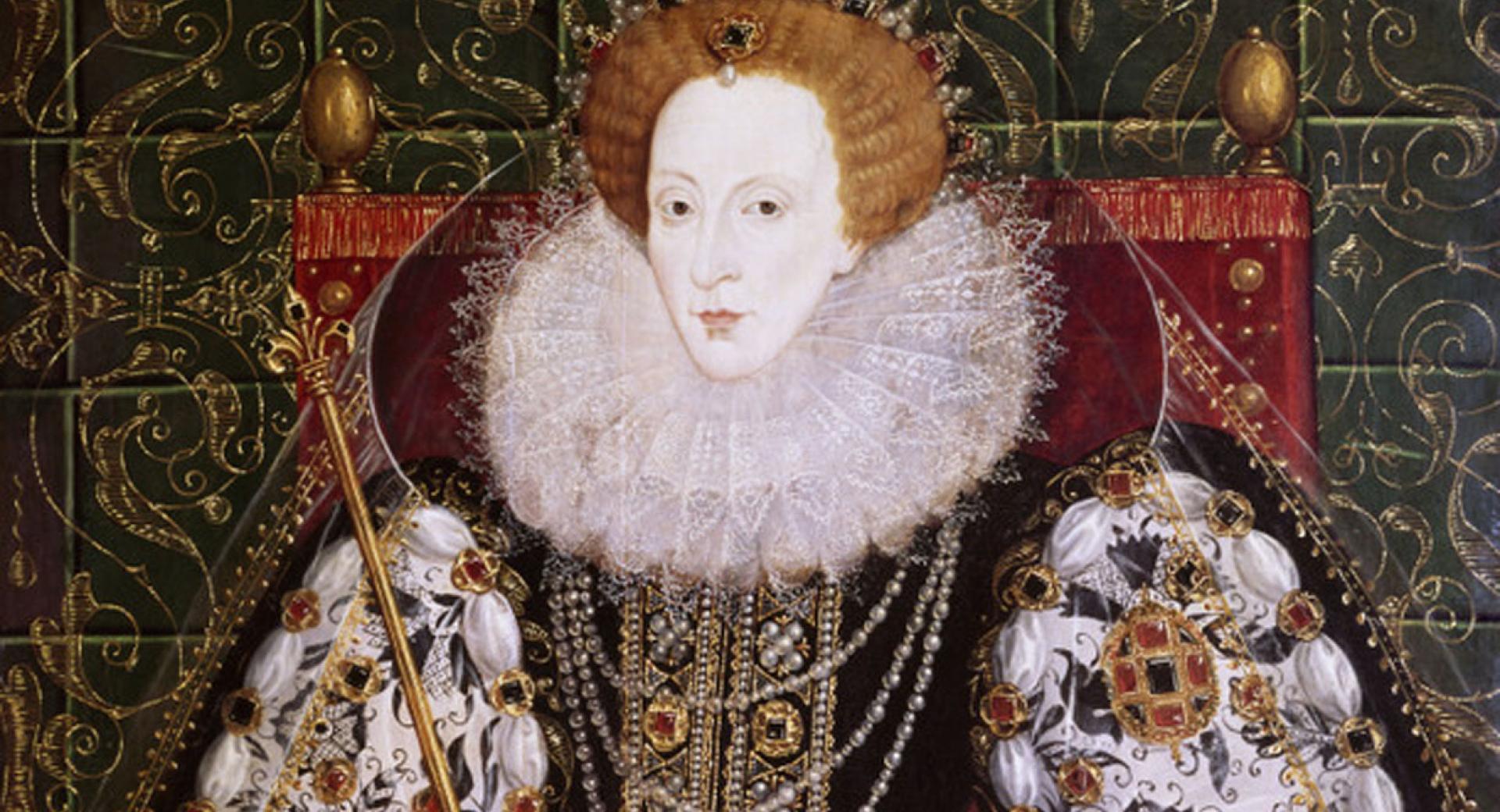
This was Shakespeare’s riskiest political play and one that Queen Elizabeth witnessed and then to the Bard himself immediately reflected: “Master Shakespeare, you do not realize that I am Richard II?” It was toward the end of her reign, with no heir apparent and an uncertain approaching succession crisis. Her appreciation of his body of work likely saved his life. It was not performed again during her lifetime. He also penned Romeo and Juliet and A Midsummer Night’s Dream around the same time. Queen Elizabeth loved them both. As well, her all-time favourite Shakespearean character was Falstaff of the two forthcoming Henry IV plays, featuring the same usurping Henry and his son Hal, the future Henry V. There are several excellent performances of Richard II on Youtube, but in particular the Royal Shakespeare productions from 1990 and 2013 are superb indeed.


 William Shakespeare: Journey Through Genius